
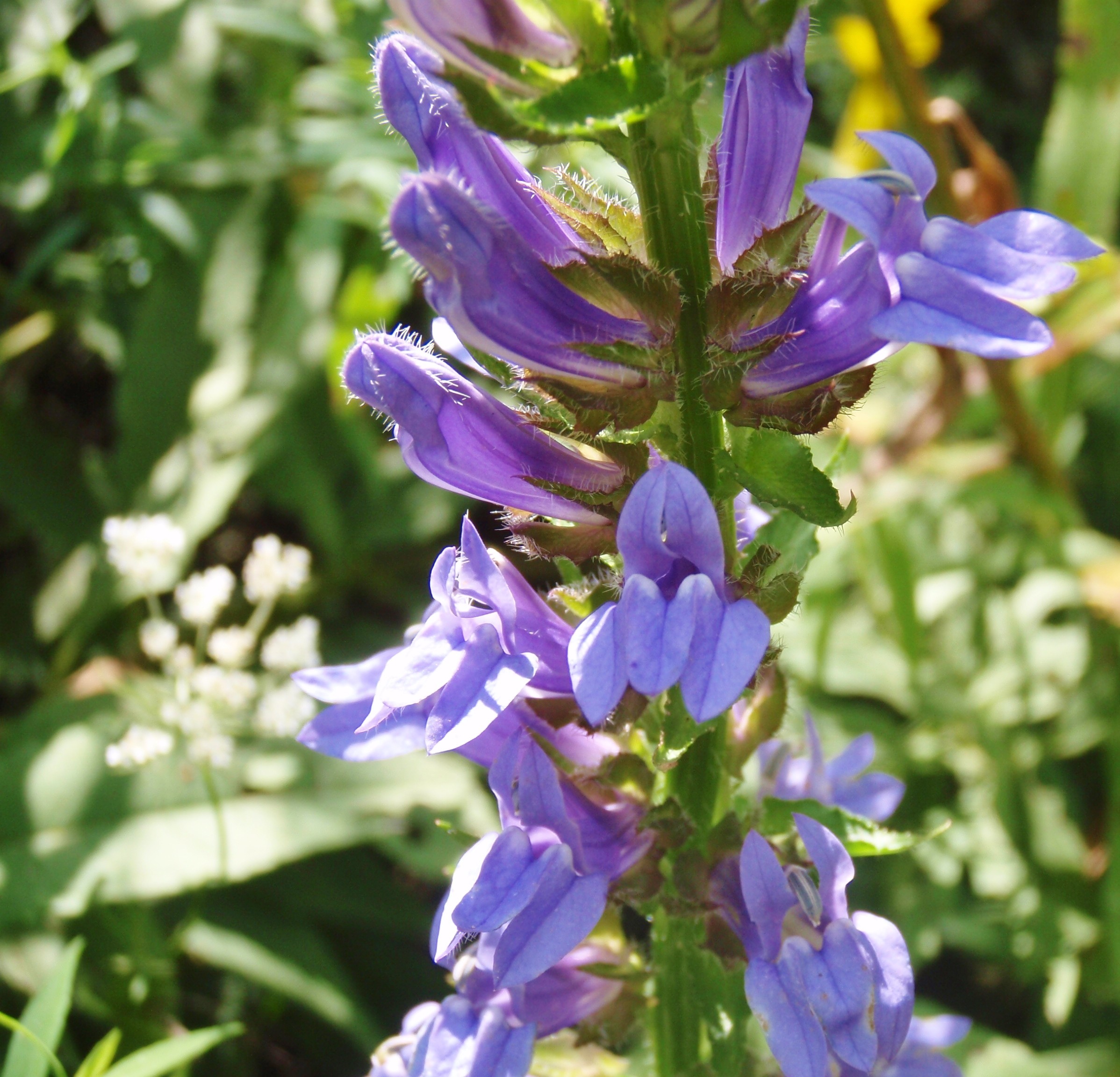


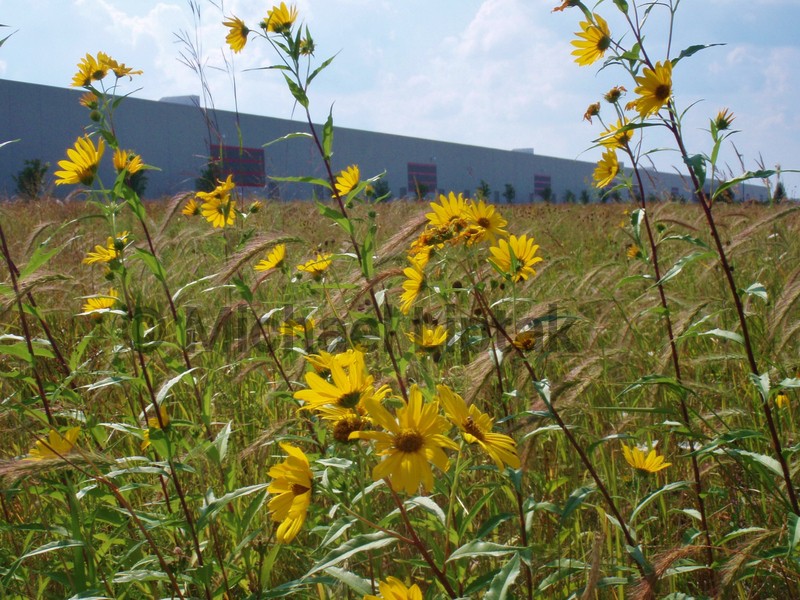
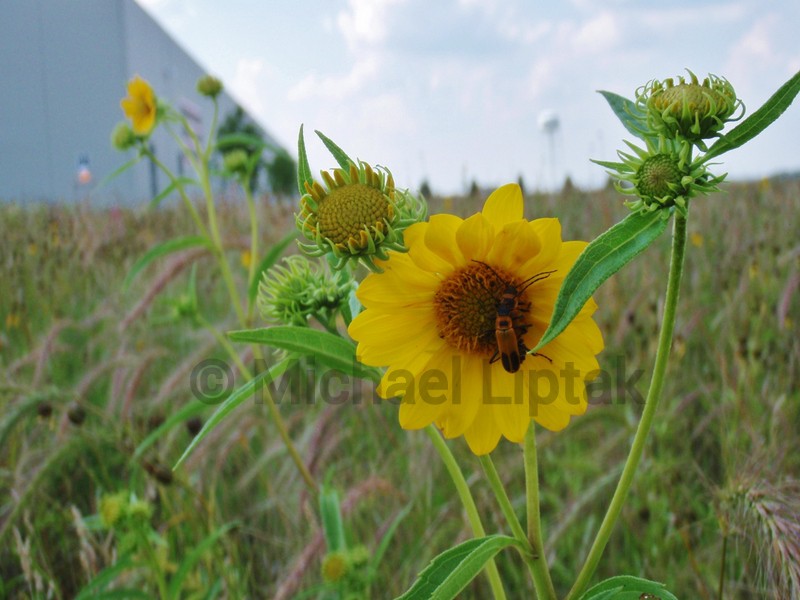
Native grasslands once covered our nation’s Midwest and South. These areas contained grasses such as big bluestem, little bluestem and Indian grass, as well as flowers like purple coneflower, queen of the prairie, and tall coreopsis. As pioneers settled these areas, the majority of these fertile prairies were converted into agricultural land, leaving behind remnant prairies in areas that were not mowed or plowed. Today, pioneer cemeteries and old railway corridors can provide refuge for prairie species.
Prairie plants are adapted for drought conditions, and their deep root systems seek out water to depths of up to 15 feet. These deep root systems provide superior stability over modern cool-season turf grasses, most of whose root systems only extend a few inches below the surface.
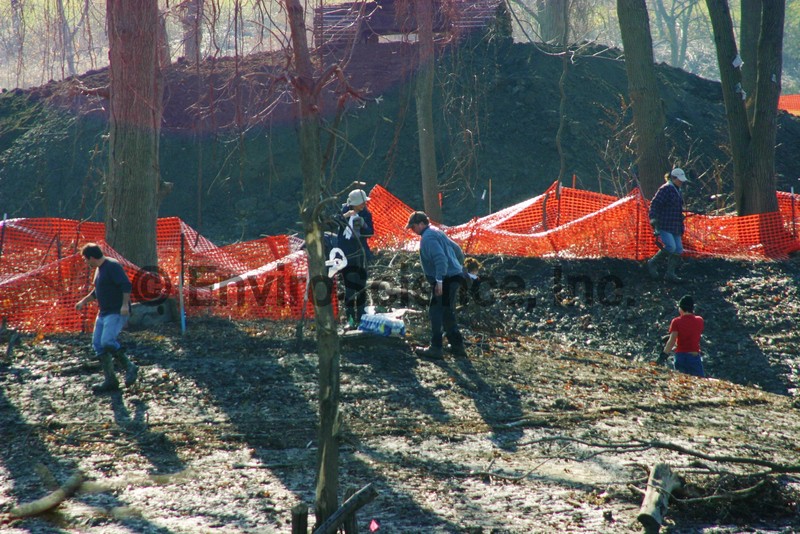
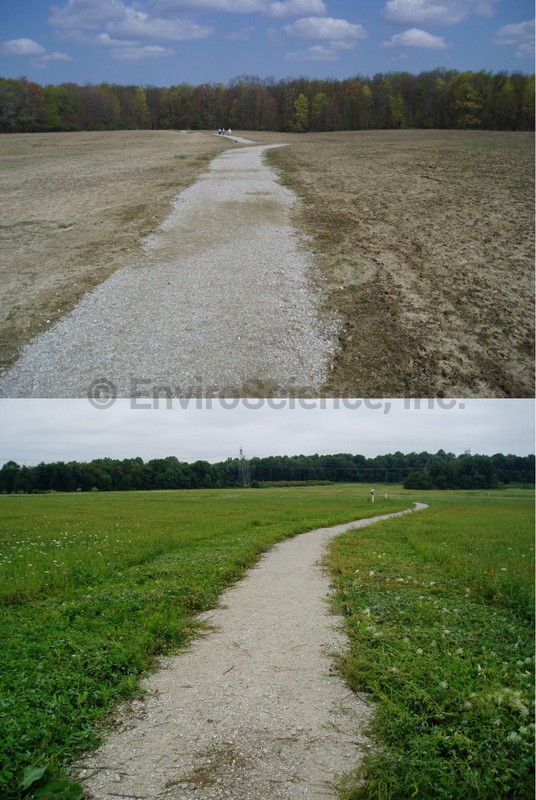
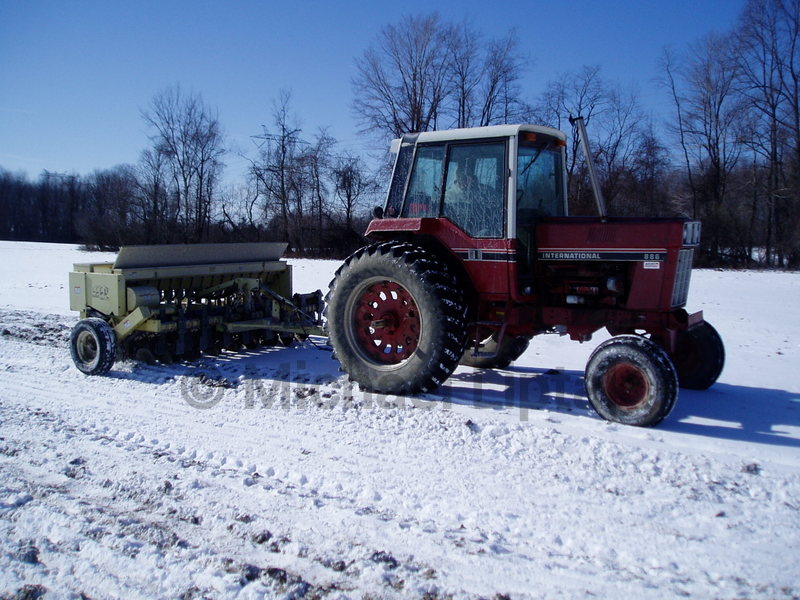
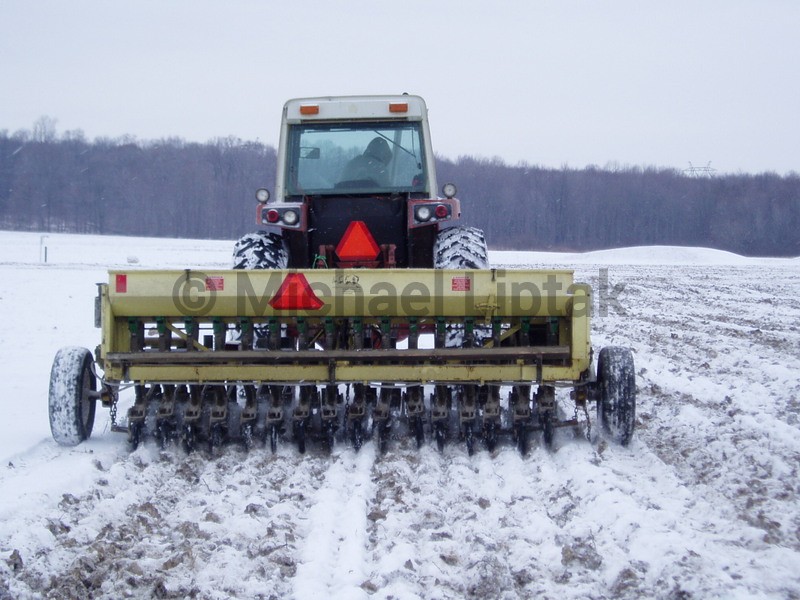
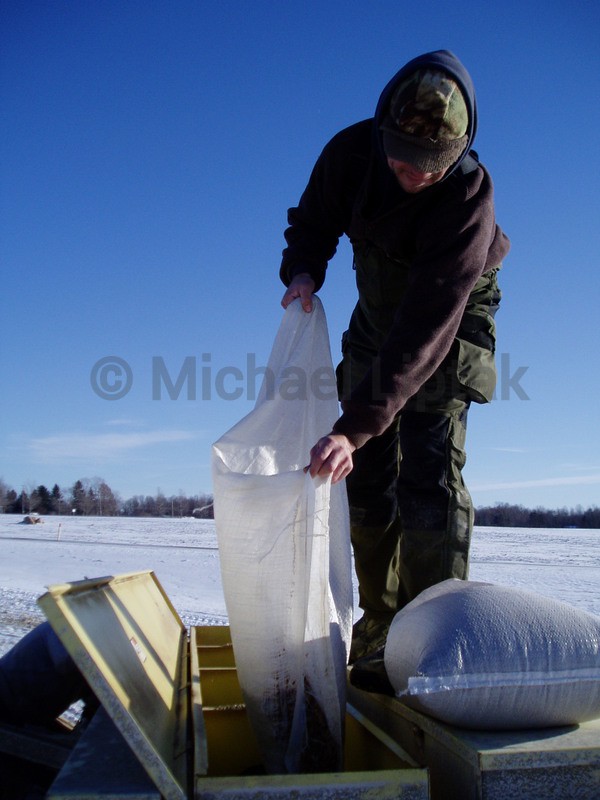
Today, homeowners and businesses are discovering the value of these native species that do not require watering or fertilizers, and only require mowing once every 3-5 years instead of several times per year. Our prairie restoration projects have saved businesses tens of thousands of dollars in landscaping fees while providing ecological function. EnviroScience biologists can help select the proper warm-season grasses for your site, can install the seed using no-till drills, and can help you monitor and lightly manage the site as it develops.
In Action



Need help with your project?
Contact our prairie experts today to find out how a prairie installation could save you thousands of dollars in landscaping fees and watering costs. Fill out the form below for more information on our services or to request a quote and we’ll get back to you within 24 hours. If you need a response within an hour or less, please call us at 800-940-4025.
Few environmental firms in the country retain EnviroScience’s degree of scientific know-how, talent, and capability under one roof. The diverse backgrounds of our biologists, environmental engineers, scientists, and divers enable us to provide comprehensive in-house services and an integrated approach to solving environmental challenges—saving clients time, reducing costs, and ensuring high-quality results.
Our client guarantee is to provide “Excellence in Any Environment,” meaning no matter what we do, we will deliver on our Core Values of respect, client advocacy, quality work, accountability, teamwork, and safety. EnviroScience was created with the concept that we could solve complex problems by empowering great people. This concept still holds true today as our scientists explore the latest environmental legislation and regulations and incorporate the most up-to-date technology to gather and report data.
EnviroScience expertise includes but is not limited to: aquatic survey (including macroinvertebrate surveys and biological assessments); ecological restoration; ecological services (including impact assessments, invasive species control, and water quality monitoring); emergency response; engineering and compliance services; endangered mussel surveys; laboratory and analysis; stormwater management; threatened and endangered species; and wetlands and streams (including delineation and mitigation). Further, EnviroScience is one of the few biological firms in the country that is a general member of the Association of Diving Contractors International (ADCI) and offers full-service commercial diving services.
Enviroscience
Related Information
Ecological Restoration
Stream and Wetland Restoration and Mitigation Services EnviroScience offers a...